What do you want to learn today?
Sharpen your clinical judgment with two paramedics who’ve been there.



explore our latest episodes
Catch up on our latest podcast episodes
Fresh insights, real case breakdowns, and takeaways you can use on your next shift.


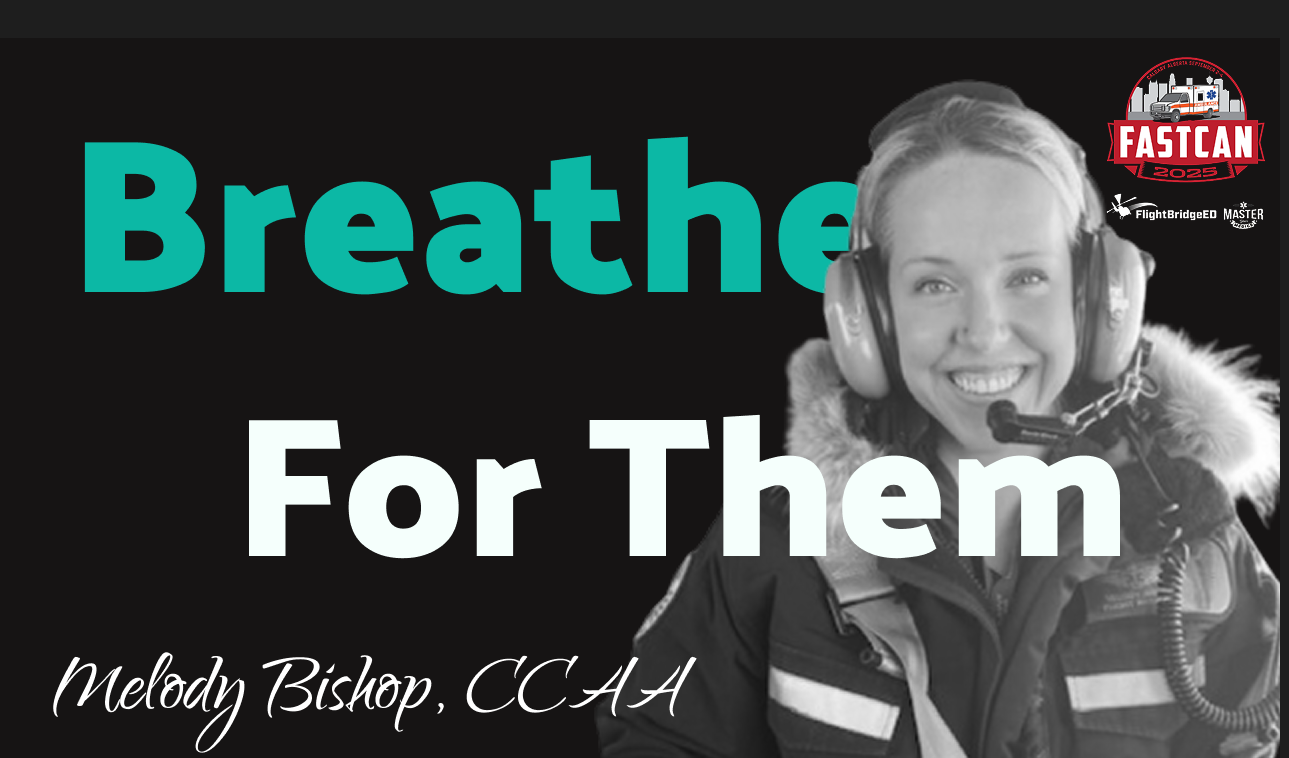
Rescue Breaths: Demystifying the Physiology of Safe and Effective BVM Ventilation
Melody Bishop
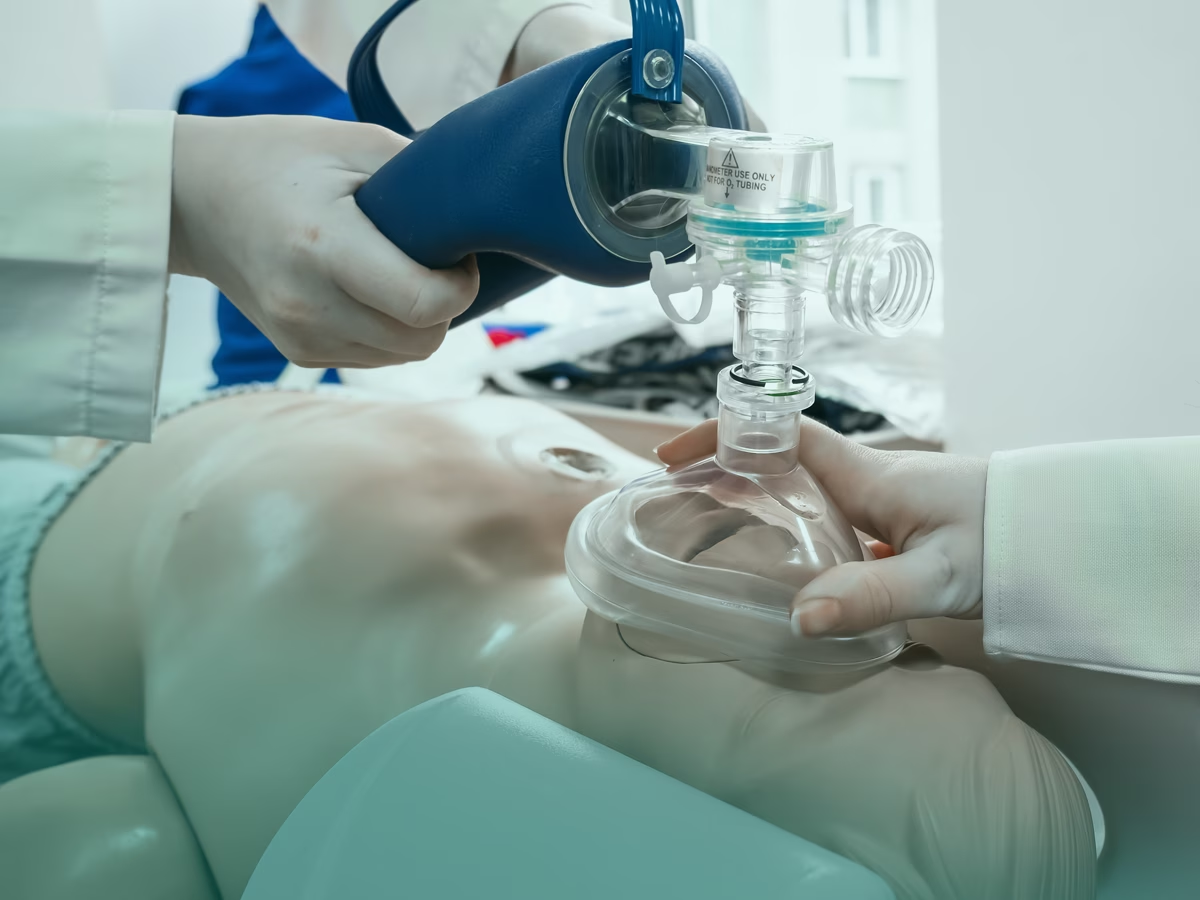
Melody Bishop helps us simplify the physiology of bag-valve-mask (BVM) techniques and mechanical ventilation tips. This episode highlights common mistakes like insufficient exhalation time, discusses driving pressure, and explains the importance of proper technique to avoid lung injury. We also explore the nuances of endotracheal tube size, laminar flow, and the transition from BVM to mechanical ventilation. From FASTCAN in Calgary this episode will enhance your understanding and skills in respiratory care.

NAEMSP Guidelines and Other Emerging Literature on: Prehospital Blood, Traumatic Circulatory Arrest, Hypertension in Pregnancy, and Time to Intubation
Dr. Jeff Jarvis
Dr. Jeff Jarvis, EMS medical director and host of the EMS Lighthouse Project, delves into the latest emerging EMS literature and guidelines from the National Association of EMS Physicians. We explore best practices for blood use in trauma, up-to-date trauma arrest recommendations, postpartum hemorrhage, and severe hypertension in pregnancy. Additionally, we discuss recent studies on field intubation times, pre-hospital treatment of AFib with RVR, and pre-treating with calcium before diltiazem for patients in AFib. This episode is packed with crucial, evidence-based information for best practices in the prehospital setting. Don't miss out!
The Power of a Simple Tool in High-Stakes Environments
Geoff Murphy
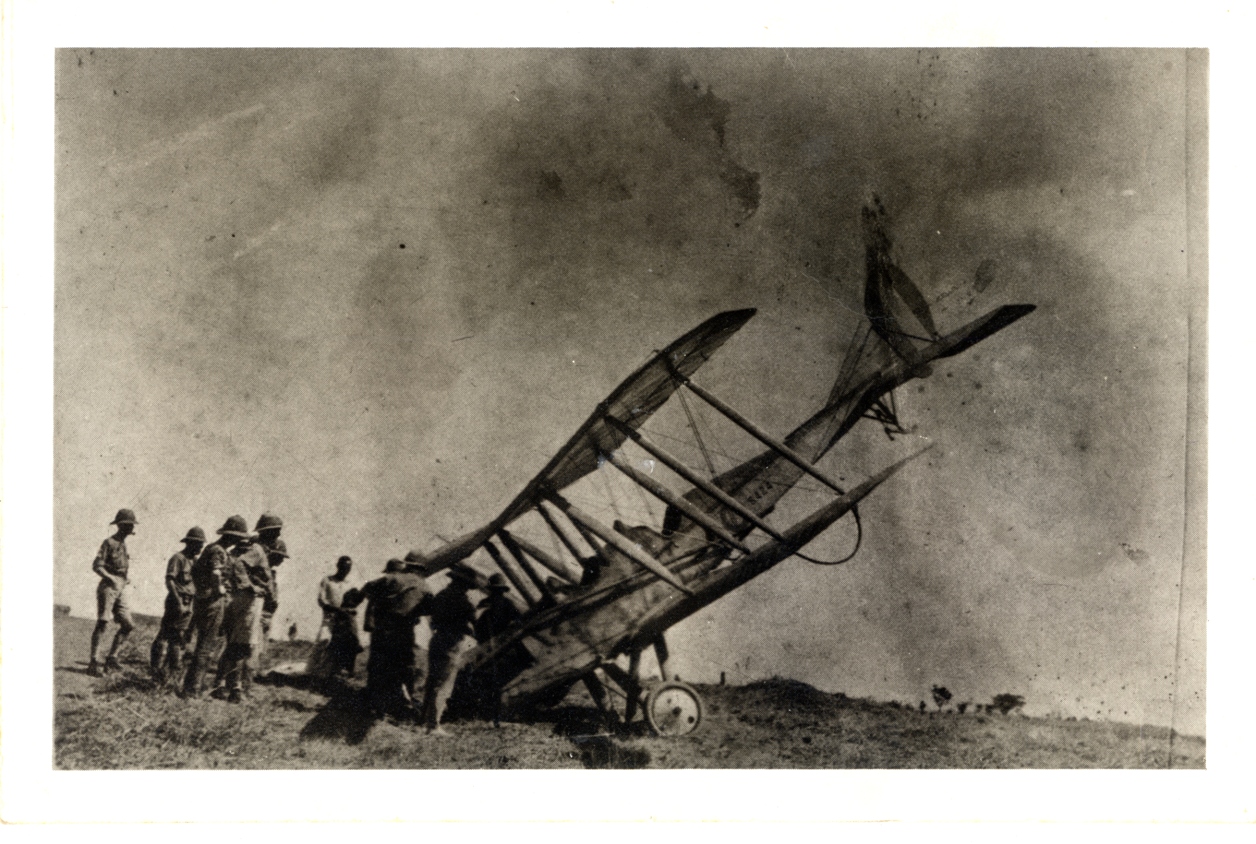
Aviation transformed from a dangerous endeavor to the safest form of transportation through systematic approaches to human error. The checklist was central to this transformation, not because it eliminated the need for skill and judgment, but because it freed professionals to apply their expertise where it matters most. As paramedics, we face similar complexity and similar stakes. The question isn't whether we're capable professionals—we are. The question is whether we're willing to adopt proven tools that help capable professionals perform even better when it matters most.
What Airplane Crashes Teach US About Saving Lives in EMS: Lessons in Crew Resource Management and Just Culture From the Aviation Industry
How the aviation industry has revolutionized itself through such methodologies as just culture, crew resource management, and error prevention tools like the inquiry, advocacy, assertiveness model. We explore how these principles can be effectively applied in our EMS world to improve safety and performance. By the end of this post, you'll walk away with practical tactics to implement on your next shift, ensuring you and your crew can handle high-stress situations with confidence and competence.
The Art of Managing Agitated Patients
Patrick Hendley
Effective agitated patient management requires a fundamental shift from viewing these encounters as behavioral problems to recognizing them as medical emergencies with underlying pathophysiological processes. By systematically addressing safety, identifying root causes, selecting appropriate pharmacological interventions, and maintaining rigorous post-sedation monitoring, EMS providers can dramatically improve outcomes for these challenging patients.
Prehospital Management of Upper GI Bleeds: A Guide for EMTs and Paramedics
In emergency medicine, few scenarios are as immediately concerning as arriving on scene to find a patient actively vomiting bright red blood. Upper gastrointestinal (GI) bleeding represents a unique challenge for EMS providers—these patients aren't trauma victims, yet they're bleeding like trauma patients. They require both the rapid intervention of trauma care and the thorough assessment of a medical patient. This guide breaks down the essential principles of managing an upper GI bleed in the prehospital setting, where your actions during those critical first minutes can significantly impact patient outcomes.

DNR and Advanced Directives in the Prehospital Setting: These Conversations aren’t always Black and White
Daniel Markwalter, MD
These challenging scenarios represent opportunities to provide truly patient-centered care at life's most vulnerable moments. By combining your medical expertise with thoughtful communication, you can help ensure patients' wishes are honored while supporting families through difficult transitions.
Understanding and Evaluating Medical Literature: A Guide for EMS Practitioners
Dr. Ben Li
Let's discuss the intricacies of evidence-based medicine (EBM) with Dr. Ben Li. The conversation dives deep into understanding different types of medical studies, their hierarchies, and how EMS providers can apply them to their practice. The episode covers evaluating research, the importance of study design, confounders, sample size, and how to discern the relevance and applicability of research findings. Dr. Li provides practical advice for critically appraising literature and emphasizes doing so in a way that is personally relevant to the listener's practice. This episode is essential for anyone in EMS or emergency medicine looking to deepen their understanding of medical research and how it impacts patient care.
How Equipment Design Can Save Lives: Why Your Bag Organization Matters More Than You Think
Adam LaChapelle
We delve into the impact that effective design has on performance and patient outcomes, exploring principles such as reducing friction and visual checklists. Including practical tips on organizing your equipment to enhance efficiency and care.
Unlocking Syncope: A Harbinger of Hidden Perils, Differentiating Benign from Life-Threatening Causes
Matt Mendes, MD
Syncope, is a symptom that many emergency medical personnel encounter. It's sometimes tricky to differentiate from seizures, and it's essential to understand that syncope is not a standalone diagnosis. It's a symptom of an underlying cause, which can be benign or life-threatening. Let's delve into the world of syncope, explore its clinical significance, and discuss how EMS providers can effectively assess and risk stratify patients who experience it.
Invisible Scars: The Battle for Mental Health in EMS – PATH4EMS
Jessica Nelson
Let's discuss the pressing issue of mental health among first responders, particularly within the EMS community. Will gets vulnerable and shares a personal story of trauma on the job to highlight the urgent need for mental health resources and support. Unfortunately, his story is not unique, we will all experience some level of emotional trauma while on the job. This episode features Jessica Nelson, the coordinator of the groundbreaking program and first of its kind state legislation, PATH4EMS. PATH4EMS provides free and confidential mental health care for EMS professionals. We delve into strategies for normalizing mental health conversations, the importance of trauma-informed care, and the benefits of proactive mental health practices. The discussion also covers the need for tailored, evidence-based resources and the unique challenges faced by rural first responders. Tune in to learn about the vital steps being taken to ensure the well-being of those who brave the front lines.
Wide Complex Tachycardia: Get Comfortable With Uncertainty
Dr. Kevin Butler
Learn a systematic approach to management of wide complex tachycardia that doesn't rely on exact rhythm identification or scoring systems with guest Dr. Kevin Butler. By understanding the physiology rather than memorizing a score or algorithm you can use Kevin's approach and ABCD mnemonic to help differentiate between ventricular tachycardia, SVT with aberrancy, and other arrhythmias. Learn how not to miss the vital mimics with his SPAM filter. And finally by understanding which treatments are safe and which treatments potentially dangerous you can understand how to move forward even when you're not exactly sure what the arrhythmia is.
From Novice to Navigator: Mastering the Art of EMS Field Training
Josh, Cody, and Moose
Joined by Josh, Cody, and Moose from the AlertMedicOne podcast, we explore key principles of good training, leadership, and the importance of making mistakes in a safe learning environment. We discuss strategies to foster critical thinking, introspection, and continuous improvement among trainees in the EMS field. A big part of EMS is learning to be a leader and a teacher no matter what level you are at so whether you are a trainee, a field trainer, teach students during their rides, or merely work with a partner there's something for everyone to learn in this one. Tune in for an insightful discussion on how to develop and become excellent EMS professionals through solid training and leadership.

The Difference Between Equal and Equitable Care
Ritu Sani
Explore the crucial distinction between providing equal care versus equitable care within emergency medical services (EMS). We give you an in-depth discussion with Ritu Sani from The EMS Show podcast, highlighting the importance of focusing on outcome-driven quality improvement projects and addressing disparities in care. Learn how different demographics face unique barriers to healthcare, and why recognizing these differences is essential to improving outcomes across various communities. Watch as real-life examples illustrate the need for equitable interventions and the systemic factors that contribute to inequities in EMS.
Life Over Limb: Field Amputation, Preparing For The Unthinkable
Dr. Avery McKenzie & Dr. Eric Adler
Dr. Avery McKenzie interviews Dr. Eric Adler, regional medical director for Flight for Life, about the challenging and rare procedure of field amputations. They discuss the importance of being prepared for the unexpected, the steps involved in developing a protocol for such emergencies, and the logistical challenges faced during the process. Dr. Adler shares insights from real-life cases and emphasizes the critical need for planning and knowing the resources available in urgent scenarios.
The Untold Impact of EMS on Organ Donation: Transforming Tragedy into Hope
Chris Meeks
In this episode, we discuss the profound impact that one patient's organ donation can have on society. Even when not every patient gets to go home, the ability to donate organs can positively affect up to 80 people, multiplying our impact and service to the community. Guest Chris Meeks, a critical care flight paramedic and organ recovery coordinator discusses the ethical considerations and the surprising impact EMS has on the potential for organ donation, even in cases that appear to be 'lost causes'. Tune in to understand how your work in EMS may have more far-reaching positive effects than you realize.
Values-Driven Leadership Within A Just Culture- Chris Pfingsten from EMS 20/20
Chris Pfingsten
Creating lasting behavioral changes in the workplace by moving beyond consequence-based policies. Chris discusses the importance of aligning personal and company values, highlighting 'just culture' in EMS and its role in understanding motivations and systemic issues. The conversation covers leadership in EMS, focusing on the significance of fostering supportive relationships with staff and avoiding fear-based management. Additionally, Chris shares his journey from paramedic to Field Training Officer, offering advice on effective training and mutual support. This episode is packed with valuable insights for anyone in the EMS field aiming to enhance performance, commitment, and team dynamics. Don't forget to check below for further resources on just culture and motivational learning.
Are They Choking? Esophageal Foreign Body
We delve into the management of esophageal foreign body obstructions, a common yet often misunderstood medical emergency. We discuss the symptoms and causes of esophageal food impactions, sometimes referred to as 'Steakhouse Syndrome,' and differentiate it from tracheal obstructions. We explore the protocols, potential treatments, and if there's any rationale behind treatments such as glucagon administration. Join us as we also share real-life scenarios to better illustrate the challenges and solutions when dealing with such medical cases.
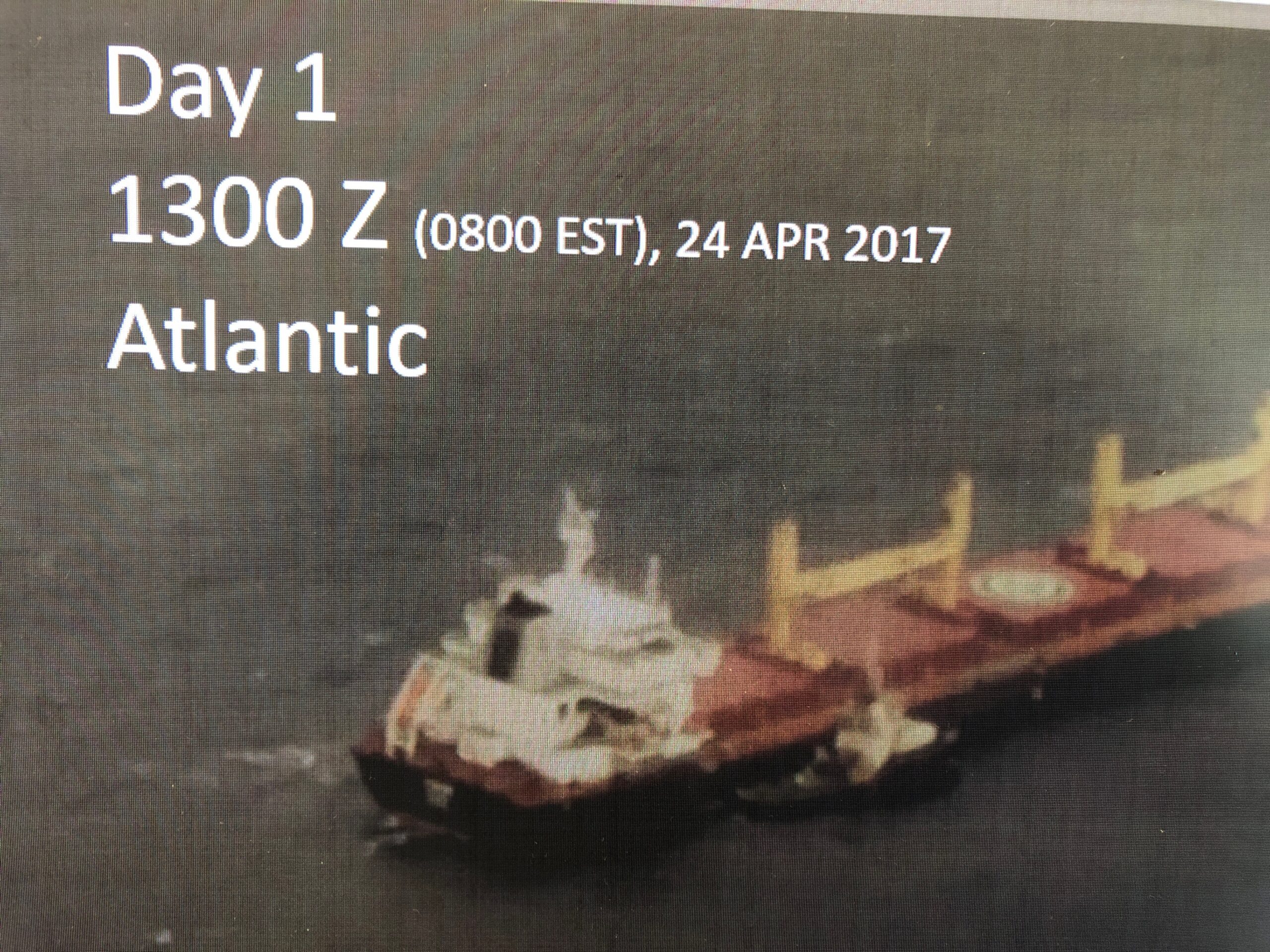
10 Lessons from the Field: Elevating EMS Practice
Dr. Michael Lauria
Delve into a real-life rescue mission conducted by the U.S. Air Force Pararescue Jumpers (PJs) in the North Atlantic Ocean and learn ten crucial lessons for enhancing EMS practice. Dr. Michael Lauria discusses these lessons, derived from a real-life experience in delivering critical care in a challenging austere environment, emphasizing both technical and mental preparedness.
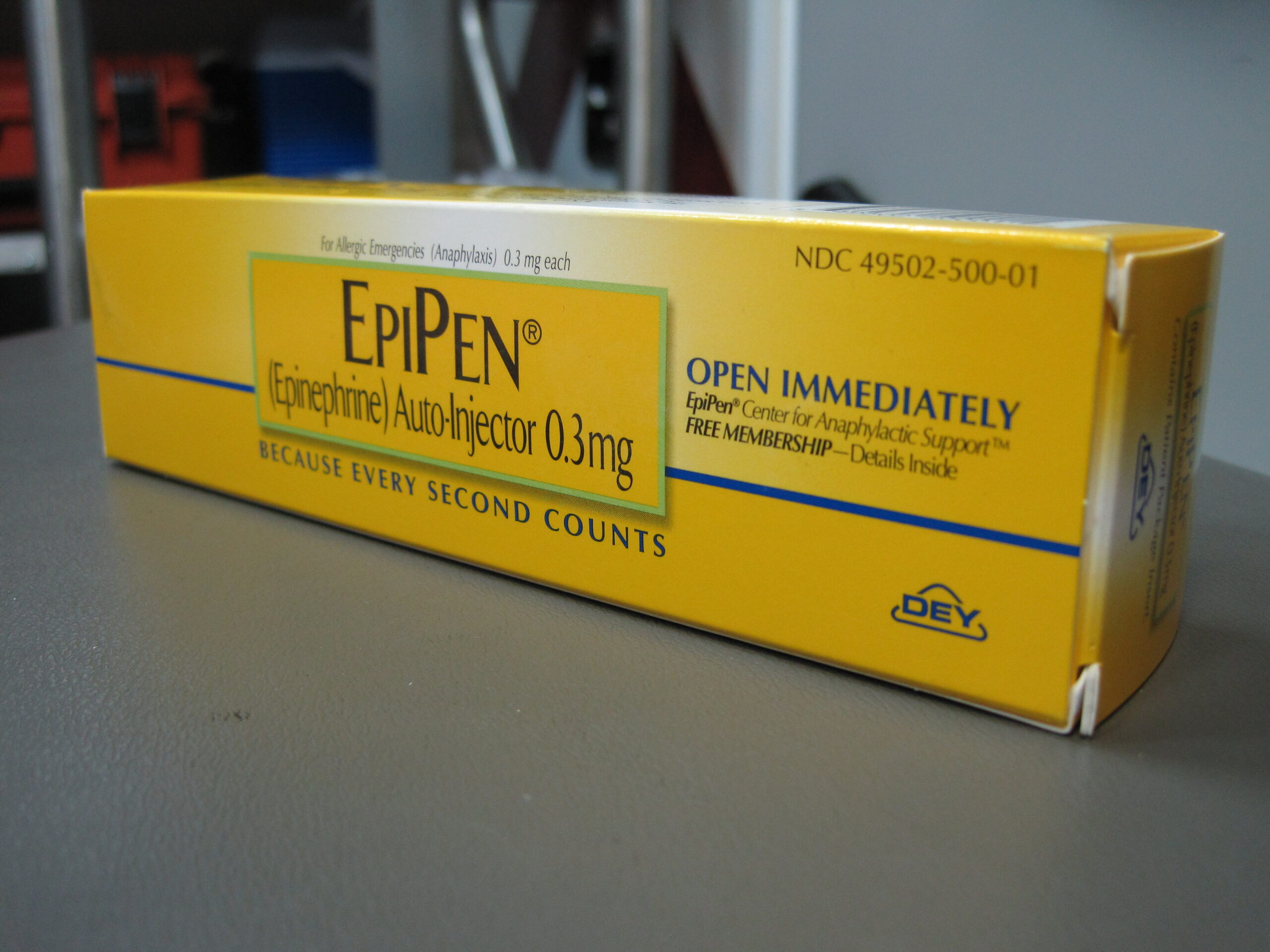
The Critical Four Minutes: AMAX4 framework for Anaphylaxis
Bruce Hoffman
Explore anaphylaxis care from the basics to the critical approach to managing severe anaphylaxis with Bruce Hoffman, FlightBridge ED senior educator. Find out what it means to be aggressive with anaphylaxis care explained through the AMAX4 framework. Learn how the framework can help reverse anaphylactic shock and prevent catastrophic outcomes. Hear the impactful story behind the framework and gain insight into the most effective practices for treating unresponsive anaphylactic and asthmatic patients. Special thanks to the McKenzie family for their mission-driven educational work.

Poisons of the Sea: Insights with Toxicologist Dr. Nik Matsler
Dr. Nik Matsler
Think you only need to worry about toxicities that exist in the sea if you live by an ocean? Think again. No matter where you are fish may be on the menu, or there may be a zoo nearby, or a marine enthusiast with an elaborate home aquarium. These toxicities can be seen in Colorado. They can be in Australia or in the US. No matter where you are you have the potential to see one or many of these. From scombroid poisoning to puffer fish, irukandji syndrome, jellyfish, and sea snakes- tune in to this week's episode to learn all about the various poisons that come from the sea with toxicologist Nik Matsler.
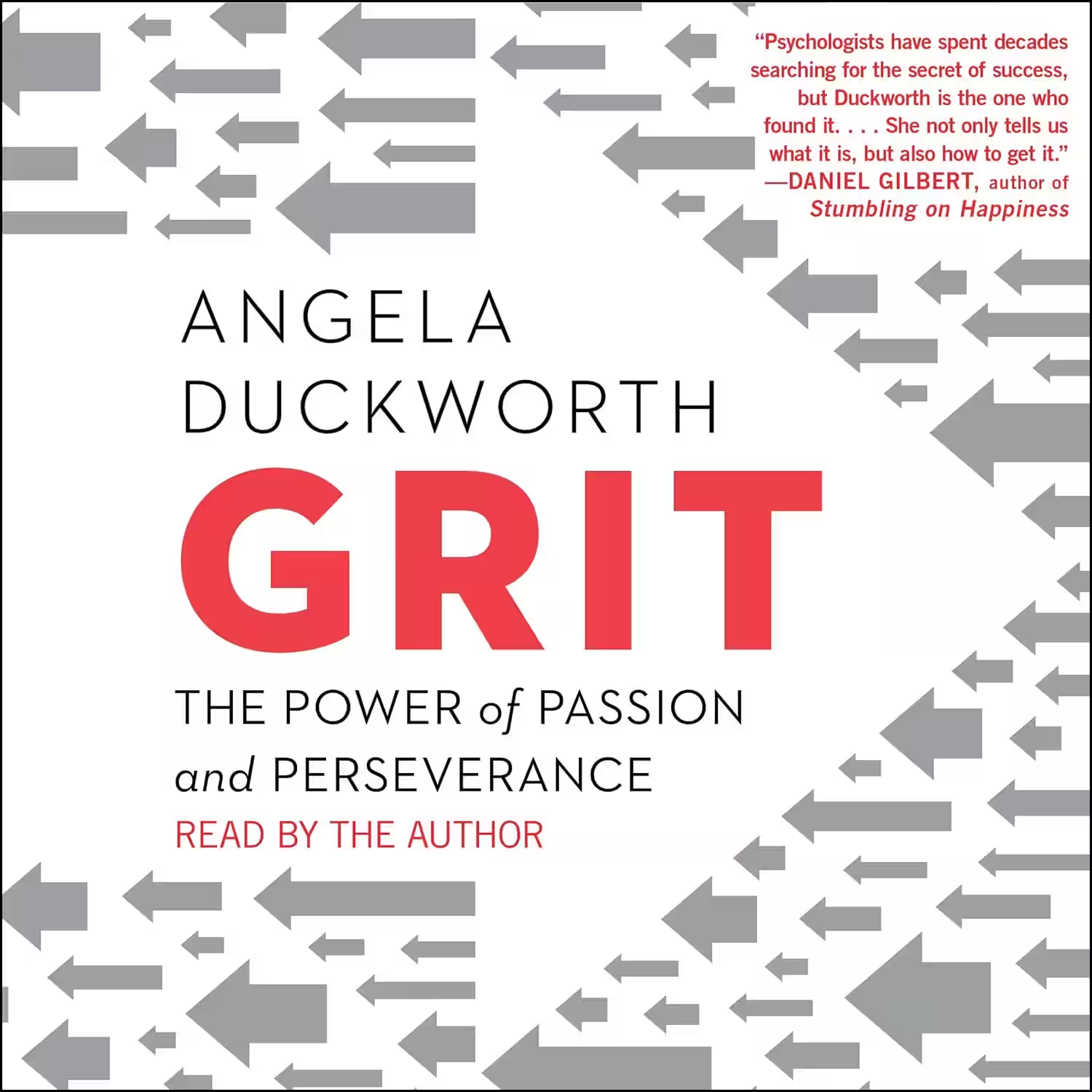
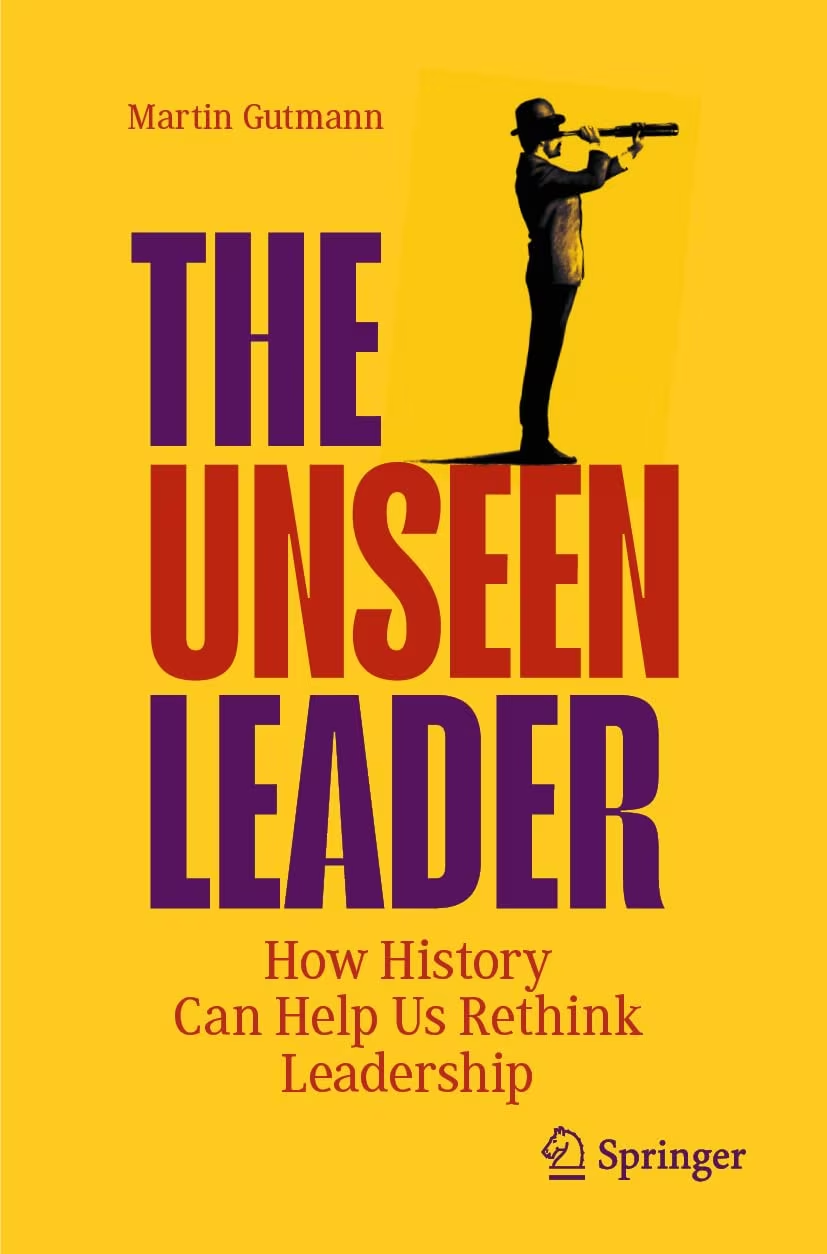
DISCOVER OUR BOOK RECOMMENDATIONS
Looking for books to help level up your EMS game?
A curated library for early-career medics with the books we wish we’d read on day one.


Join thousands of paramedics learning between calls
Get practical insights, case breakdowns, and lessons all designed to help you grow your confidence as a medic.