Trauma
Sharpen your decision-making and teamwork in high-stakes trauma scenarios. From scene safety to critical interventions, each lesson explores real-world cases that strengthen your clinical judgment and coordination under pressure.
All our episodes related to trauma
Prehospital Management of Upper GI Bleeds: A Guide for EMTs and Paramedics
WITH
In emergency medicine, few scenarios are as immediately concerning as arriving on scene to find a patient actively vomiting bright red blood. Upper gastrointestinal (GI) bleeding represents a unique challenge for EMS providers—these patients aren't trauma victims, yet they're bleeding like trauma patients. They require both the rapid intervention of trauma care and the thorough assessment of a medical patient. This guide breaks down the essential principles of managing an upper GI bleed in the prehospital setting, where your actions during those critical first minutes can significantly impact patient outcomes.

Life Over Limb: Field Amputation, Preparing For The Unthinkable
WITH Dr. Avery McKenzie & Dr. Eric Adler
Dr. Avery McKenzie interviews Dr. Eric Adler, regional medical director for Flight for Life, about the challenging and rare procedure of field amputations. They discuss the importance of being prepared for the unexpected, the steps involved in developing a protocol for such emergencies, and the logistical challenges faced during the process. Dr. Adler shares insights from real-life cases and emphasizes the critical need for planning and knowing the resources available in urgent scenarios.
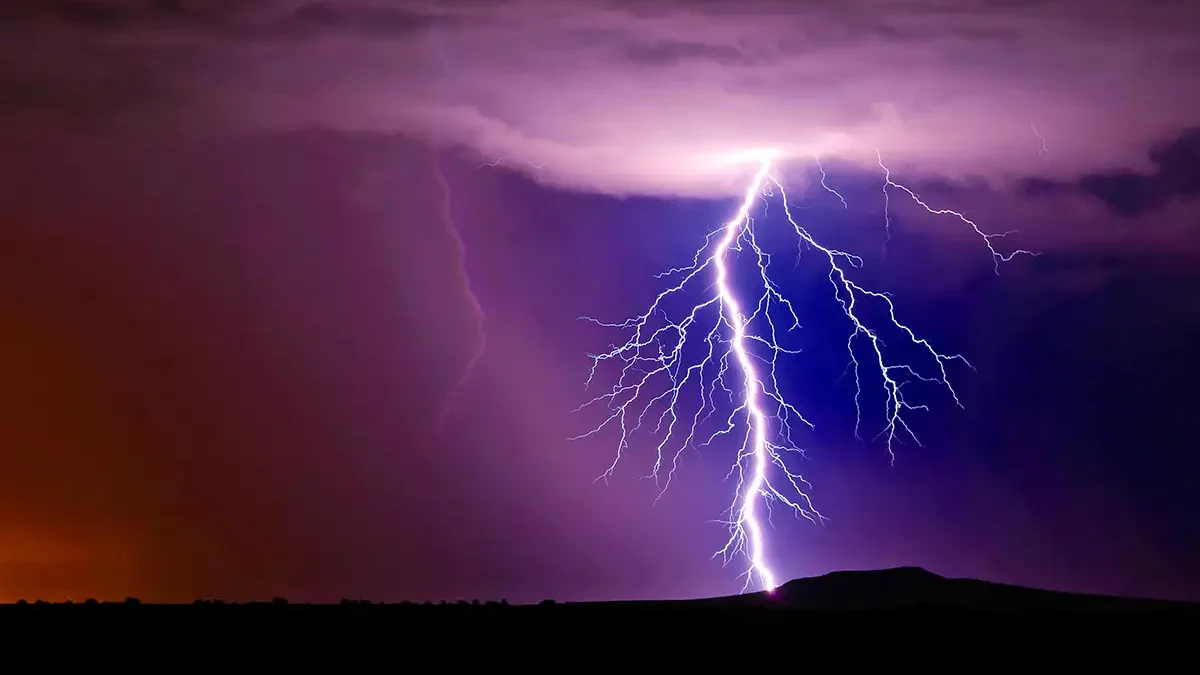
Electrical Injuries and Lightning Strikes
WITH Derek Miller
Derek Miller, outreach coordinator for the UNC JC Burn Center, joins us again to explore electrical injuries and lightning strikes. We discuss the various types of electrical injuries, the mechanisms behind these injuries, and the essential steps EMS providers must take to ensure their safety and provide effective patient care. Through real-life case studies and expert insights, this episode delves into the complexities of managing electrical burn patients, the importance of immediate interventions, and the potential long-term sequelae of such injuries. Tune in for practical advice and essential knowledge to enhance your skills in handling electrical emergencies.
Here are some additional resources:
Electrical Injuries Overview- Nice overview, though not limited to EMS specifically. The references list at end is also a good jumping off spot for those wanting more.
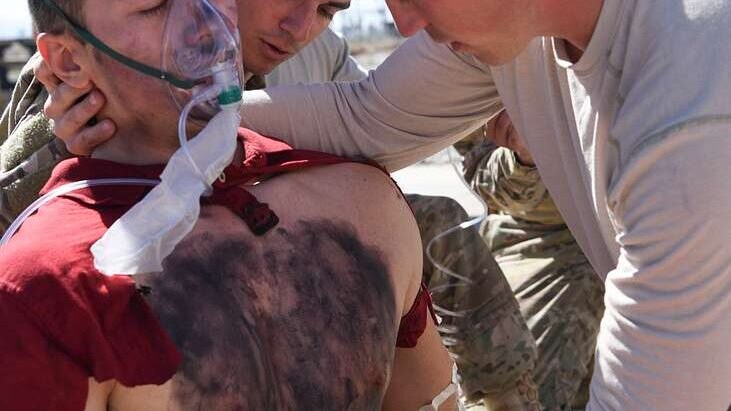
The Critically Burned Patient
WITH Derek
Burn injuries are among the most intimidating emergencies faced by prehospital care providers. The intricacies of managing such cases were vividly discussed in our recent podcast featuring Derek Miller, an experienced burn nurse with a deep understanding of burn care. This post delves into the key takeaways from the podcast, offering practical guidance and insight to enhance the care of burn patients in the prehospital setting.
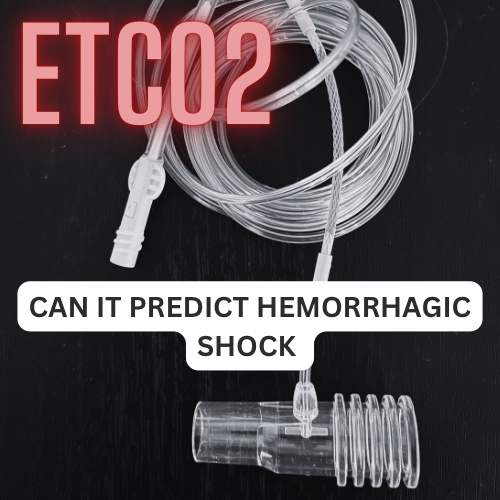
End-Tidal CO2 Monitoring in Hemorrhagic Shock: A Vital Tool for Assessment and Management
WITH
Hemorrhagic shock, characterized by a significant loss of blood volume, characterized by end organ dysfunction as the result of inadequate tissue profusion. It is a life-threatening medical emergency that requires rapid assessment and intervention. Timely recognition of its severity and continuous monitoring of the patient's condition are paramount to guide appropriate treatment strategies. One valuable emerging tool in this critical setting is the measurement of end-tidal carbon dioxide (ETCO2) levels. ETCO2 monitoring provides crucial information about a patient's cardiovascular status and can aid healthcare providers in making informed decisions for resuscitation and management. In this article, we will explore the role of ETCO2 in the context of hemorrhagic shock and review some of Dr. Eric Campion's research in this field.
Pain Perception is Complex
WITH Dr. Spencer Tomberg
Dr. Spencer Tomberg, a physician in the Department of Emergency Medicine and Orthopedics at Denver Health, discusses pain management and the complex nature of pain perception, highlighting the physical and emotional components. He describes how individuals may have different perceptions of pain due to variations in the action potential and synaptic regions. He dives into the etiology and routes of pain signals from the visceral system and how that contributes to referred pain. He also discusses the differences in treatment when approaching acute, subacute, and chronic pain. Ultimately, it's important to consider the individuality of pain experiences when treating patients and not take a one size fits all approach. Check out another great lecture from the Rocky Mountain Trauma and Emergency Medicine Conference.
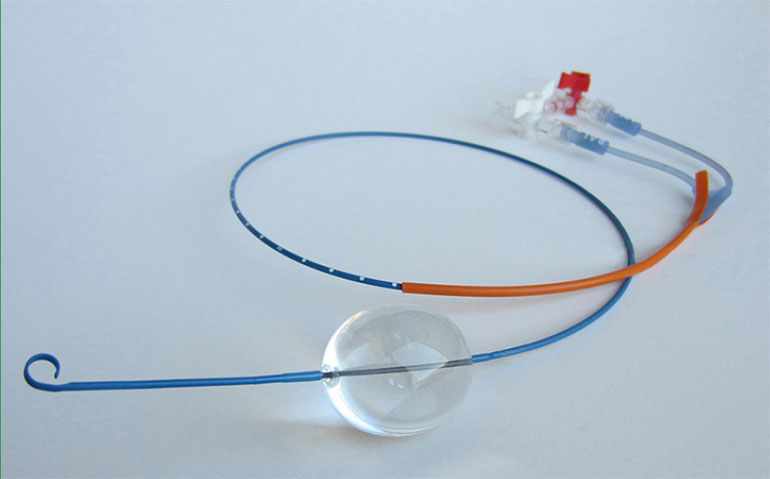
Resuscitative Endovascular Balloon Occlusion of the Aorta (REBOA)
WITH Dr. Ernest E. Moore
In the high-stakes world of emergency medicine, innovations continually push the boundaries of what's possible. One such groundbreaking procedure is Resuscitative Endovascular Balloon Occlusion of the Aorta (REBOA). Dr. Ernest E Moore, who has literally written the book on trauma surgery, teaches us what REBOA is and how it is being used to save lives in critical situations. Another lecture from the Rocky Mountain Trauma and Emergency Medicine Conference.

Spinal Emergencies – A Closer Look At Back Pain
WITH Dr. Bo Burns
Stop blowing off back pain patients! There may be a true emergency lurking underneath. Dr. Bo Burns teaches us why we should be take atraumatic back pain so seriously. Join us as we unravel the complexities of spinal emergencies and learn about the latest clinical decision tools and treatment options.
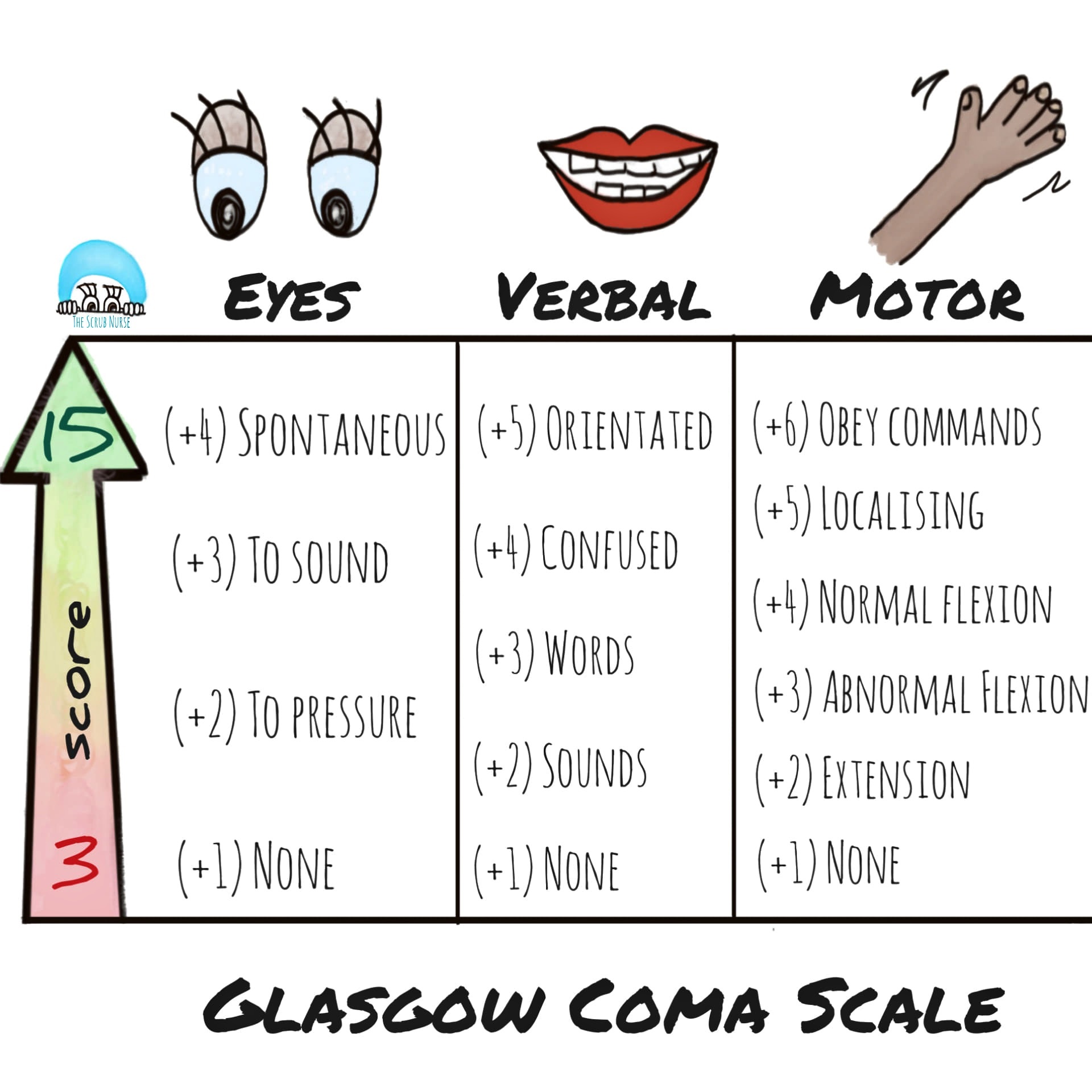
The GCS Sucks!
WITH Guest Name
The Glasgow Coma Score (GCS) was developed in the 1970s initially as a research tool for admitted Neurosurgery patients. The original authors of the score and research advocated against it's widespread use in acute care but nevertheless here we are: it is widely used in acute trauma and medical care. Other than a score of 3 or a score of 15, there are multiple combinations of numbers that can get you various scores. This results in a poor ability to know what the patient is actually doing.
The Ideal Trauma Call
WITH Dave Edwards
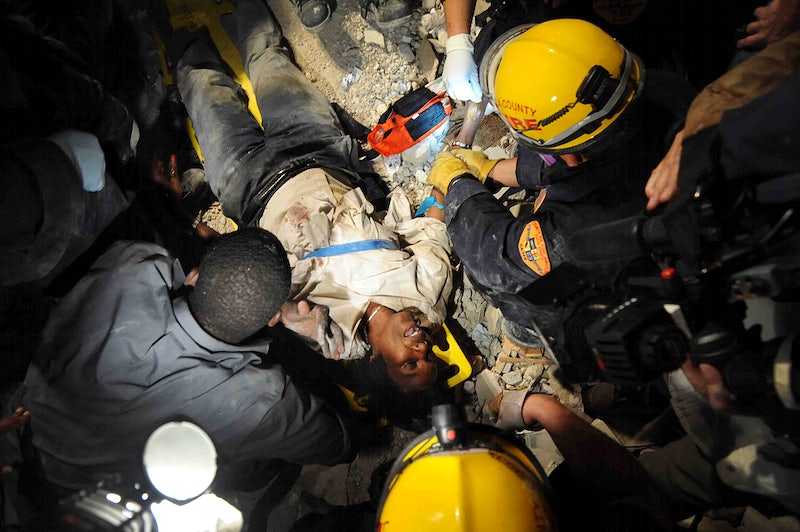
Are you running your traumas as efficiently as you should? Dave Edwards shares with us the ideal approach/philosophy/teaching tool to how theses calls should ideally go. This document is years in the making with input from Trauma Surgeons, Emergency Physicians, and Paramedics to help clearly delineate our priorities in trauma.

Join thousands of paramedics learning between calls
Get practical insights, case breakdowns, and lessons all designed to help you grow your confidence as a medic.