DISCOVER THE loud & clear PODCAST

Become a clearer, more confident EMS clinician one episode at a time

Case studies, expert conversations, and evidence-based lessons designed to help you think clearly and work confidently in the field.

+3000

Paramedics Trust Us


+106

Episodes Created


+120

Hours of content


+63

Reviews


explore our latest episodes

Catch up on our latest podcast episodes

Fresh insights, real case breakdowns, and takeaways you can use on your next shift.

Stop Building Resilience, Strengthen Your Resistance

James Boomhower
Discover the difference between resistance (your daily shield built through sleep, nutrition, relationships, and spiritual wellness) and resilience (the anaerobic sprint you can't maintain forever).

The 5 Levels of EMS Mental Breakdown & How to Escape Them

Cody Winniford
Why do some paramedics stay unshakable under pressure while others crumble on the exact same call? The answer isn't about years of experience—it's about understanding the neuroscience of stress and having the right mental tools.

Rescue Breaths: Demystifying the Physiology of Safe and Effective BVM Ventilation

Melody Bishop
Melody Bishop helps us simplify the physiology of bag-valve-mask (BVM) techniques and mechanical ventilation tips. This episode highlights common mistakes like insufficient exhalation time, discusses driving pressure, and explains the importance of proper technique to avoid lung injury. We also explore the nuances of endotracheal tube size, laminar flow, and the transition from BVM to mechanical ventilation. From FASTCAN in Calgary this episode will enhance your understanding and skills in respiratory care.

NAEMSP Guidelines and Other Emerging Literature on: Prehospital Blood, Traumatic Circulatory Arrest, Hypertension in Pregnancy, and Time to Intubation

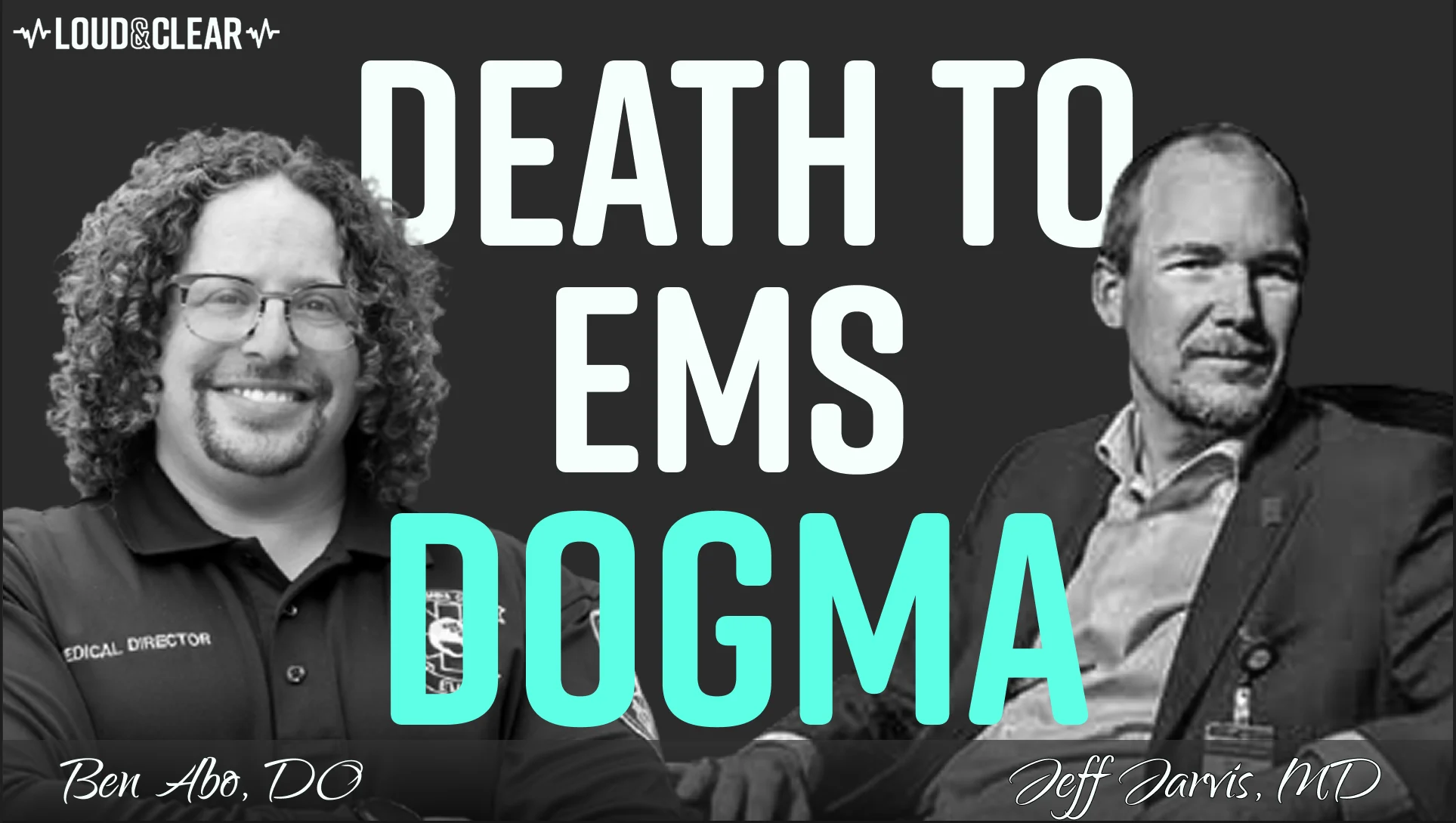
Dr. Jeff Jarvis
Dr. Jeff Jarvis, EMS medical director and host of the EMS Lighthouse Project, delves into the latest emerging EMS literature and guidelines from the National Association of EMS Physicians. We explore best practices for blood use in trauma, up-to-date trauma arrest recommendations, postpartum hemorrhage, and severe hypertension in pregnancy. Additionally, we discuss recent studies on field intubation times, pre-hospital treatment of AFib with RVR, and pre-treating with calcium before diltiazem for patients in AFib. This episode is packed with crucial, evidence-based information for best practices in the prehospital setting. Don't miss out!

The Power of a Simple Tool in High-Stakes Environments

Geoff Murphy
Aviation transformed from a dangerous endeavor to the safest form of transportation through systematic approaches to human error. The checklist was central to this transformation, not because it eliminated the need for skill and judgment, but because it freed professionals to apply their expertise where it matters most. As paramedics, we face similar complexity and similar stakes. The question isn't whether we're capable professionals—we are. The question is whether we're willing to adopt proven tools that help capable professionals perform even better when it matters most.

Engineering Simplicity in Crisis: Mastering Airway Management Through Systematic Approaches

Dr. Rich Levitan
How breaking procedures into achievable and believable steps transforms crisis performance and reduces burnout. Renowned airway enthusiast, Dr. Rich Levitan, on mastering airway management.

What Airplane Crashes Teach US About Saving Lives in EMS: Lessons in Crew Resource Management and Just Culture From the Aviation Industry

How the aviation industry has revolutionized itself through such methodologies as just culture, crew resource management, and error prevention tools like the inquiry, advocacy, assertiveness model. We explore how these principles can be effectively applied in our EMS world to improve safety and performance. By the end of this post, you'll walk away with practical tactics to implement on your next shift, ensuring you and your crew can handle high-stress situations with confidence and competence.

The Art of Managing Agitated Patients

Patrick Hendley
Effective agitated patient management requires a fundamental shift from viewing these encounters as behavioral problems to recognizing them as medical emergencies with underlying pathophysiological processes. By systematically addressing safety, identifying root causes, selecting appropriate pharmacological interventions, and maintaining rigorous post-sedation monitoring, EMS providers can dramatically improve outcomes for these challenging patients.

Prehospital Management of Upper GI Bleeds: A Guide for EMTs and Paramedics

In emergency medicine, few scenarios are as immediately concerning as arriving on scene to find a patient actively vomiting bright red blood. Upper gastrointestinal (GI) bleeding represents a unique challenge for EMS providers—these patients aren't trauma victims, yet they're bleeding like trauma patients. They require both the rapid intervention of trauma care and the thorough assessment of a medical patient. This guide breaks down the essential principles of managing an upper GI bleed in the prehospital setting, where your actions during those critical first minutes can significantly impact patient outcomes.
PODCAST TRAILER

"We believe mastery isn’t about knowing everything, it’s about knowing how to think clearly when it matters most"

MOST POPULAR EPISODES

New to the podcast? Start with our most-loved episodes

The episodes paramedics return to the most—practical, clear, and confidence-building.
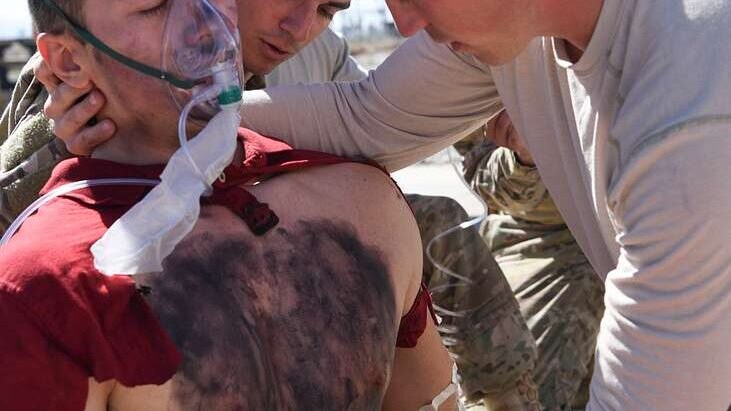
The Critically Burned Patient

April 15, 2024
Burn injuries are among the most intimidating emergencies faced by prehospital care providers. The intricacies of managing such cases were vividly discussed in our recent podcast featuring Derek Miller, an experienced burn nurse with a deep understanding of burn care. This post delves into the key takeaways from the podcast, offering practical guidance and insight to enhance the care of burn patients in the prehospital setting.
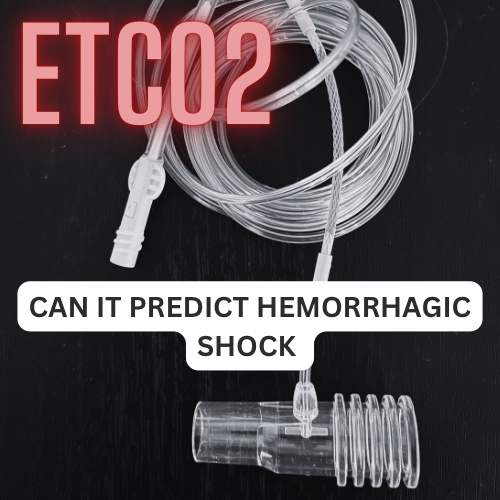
End-Tidal CO2 Monitoring in Hemorrhagic Shock: A Vital Tool for Assessment and Management

October 13, 2023
Hemorrhagic shock, characterized by a significant loss of blood volume, characterized by end organ dysfunction as the result of inadequate tissue profusion. It is a life-threatening medical emergency that requires rapid assessment and intervention. Timely recognition of its severity and continuous monitoring of the patient's condition are paramount to guide appropriate treatment strategies. One valuable emerging tool in this critical setting is the measurement of end-tidal carbon dioxide (ETCO2) levels. ETCO2 monitoring provides crucial information about a patient's cardiovascular status and can aid healthcare providers in making informed decisions for resuscitation and management. In this article, we will explore the role of ETCO2 in the context of hemorrhagic shock and review some of Dr. Eric Campion's research in this field.
Serotonin Toxicity

March 15, 2023
Serotonin Toxicity is a spectrum. Early recognition and treatment is key to preventing bad outcomes.

The Ideal Trauma Call

December 15, 2022
Are you running your traumas as efficiently as you should? Dave Edwards shares with us the ideal approach/philosophy/teaching tool to how theses calls should ideally go. This document is years in the making with input from Trauma Surgeons, Emergency Physicians, and Paramedics to help clearly delineate our priorities in trauma.
see our podcast reviews
"Wish I could give 6 stars, these guys are the Bob Ross of emergency care."

Paramedic of 3 years here. This is the podcast I keep coming back to. I get a great mix of in-depth information beyond my scope as well as lots of practical information for my seas a provider in the field.

Baker

Great podcast! I have been a nurse for 10 years, most of that in the emergency department. The information on this podcast is not only helpful for paramedics, but applies to ER nursing as well! I always encourage our new nurses and experienced nurses to listen to this podcast!

Shane

looking for more free education?
Join thousands of paramedics learning between calls

Get practical insights, case breakdowns, and lessons all designed to help you grow your confidence as a medic.