A comprehensive guide to the physiological principles and advanced techniques of bag valve mask ventilation
Introduction
Bag valve mask (BVM) ventilation is often viewed as a basic skill that can be delegated to the least experienced provider on scene. This perception is not only incorrect—it’s dangerous. BVM ventilation is a complex physiological intervention that, when performed improperly, can cause significant lung injury. Understanding the underlying mechanics of ventilation is crucial for providing safe, effective care.
The Most Critical Mistake: Insufficient Exhalation Time
The single most common and dangerous error in BVM ventilation is not allowing adequate time for exhalation. Many providers watch the bag reinflate and assume the lungs have similarly emptied, but this assumption is physiologically incorrect.
Why Exhalation Takes Time
Unlike inspiration, which we are actively controlling with positive pressure, exhalation is entirely passive. The speed at which lungs deflate depends on only two factors:
- Airway resistance – How open or constricted the airways are
- Lung compliance – How easily the lungs recoil (elastic properties)
When airways are narrowed (as in asthma or COPD) or when lungs have decreased compliance (as in CHF or ARDS), exhalation takes significantly longer. Failing to account for this leads to gas trapping, auto-PEEP, and potential lung injury.
The Three-Second Rule
Minimum recommendation: Allow at least three seconds between breaths, regardless of how quickly the bag reinflates. This ensures complete exhalation and prevents progressive air trapping.
Understanding Driving Pressure
Beyond the traditional focus on total volume and peak pressure, modern ventilation science emphasizes driving pressure—the rate of pressure change the alveoli experience.
What Is Driving Pressure?
Driving pressure represents the speed at which pressure builds in the lungs. Even if you deliver the same volume over the same time period, a rapid, forceful squeeze creates higher driving pressure than a gentle, controlled squeeze.
Controlling Driving Pressure
- Technique: Use a gentle, controlled squeeze over the full one-second inspiratory time
- Analogy: Squeeze the bag like handling a delicate sandwich—firm enough to be effective, but gentle enough not to force the filling out
- Target: Keep driving pressures below 15 cmH₂O (compared to the traditional peak pressure limit of 25 cmH₂O)
The Physiology of Compliance and Resistance
Understanding your patient’s underlying pathophysiology is essential for adapting your BVM technique.
High Resistance Conditions
Examples: Asthma, COPD, bronchiectasis, airway secretions Effect: Slower exhalation, increased risk of gas trapping Adaptation: Longer exhalation times, lower respiratory rates, gentle pressures
Low Compliance Conditions
Examples: CHF, ARDS, pneumonia, obesity, drowning Effect: Rapid lung recoil, higher pressures needed for adequate volumes Adaptation: Consider PEEP application, monitor for adequate chest rise
Complex Cases
Some conditions (like drowning) can present with both resistance and compliance problems, requiring careful assessment and individualized approach.
Optimizing Airflow: The Role of Laminar Flow
Turbulent airflow reduces ventilation efficiency and increases the work required to deliver adequate volumes.
Creating Laminar Flow
The Problem: Air flowing from the small BVM connection through the large mask cavity and into the variable anatomy of the oropharynx creates turbulence.
The Solution: Airway adjuncts (OPA/NPA) do more than just move the tongue—they create a consistent pathway that promotes laminar flow.
Key Concept: Air always follows the path of least resistance. By providing a clear, consistent pathway, you improve ventilation efficiency and reduce required pressures.
Practical Application: Patient-Specific Considerations
Normal Patients
- Standard 1:3 to 1:5 inspiration to exhalation ratio
- Gentle, controlled squeeze over one second
- Three-second minimum between breaths
Asthma/COPD Patients
- Extended exhalation times (consider 1:5 or longer ratios)
- Lower respiratory rates (8-10 breaths per minute may be appropriate)
- Watch for auto-PEEP development
CHF/ARDS Patients
- May benefit from PEEP valve application
- Higher pressures may be required but use gentle technique
- Monitor for signs of adequate oxygenation
Trauma Patients
- Avoid hyperventilation-induced gas trapping
- Remember that a chest injury can lead to traumatized lung tissue
- Gas trapping can worsen hypotension in bleeding patients
Advanced Monitoring and Feedback
Physical Assessment
- Compliance: How does the bag feel? Stiff = low compliance; easy = high compliance
- Resistance: Does pressure build quickly or slowly? Quick = high resistance
- Chest rise: Adequate but not excessive expansion
Using Patient Physiology as a Guide
When uncertain about underlying pathology:
- Suspected CHF: Trial PEEP application—if ventilation becomes easier, you’ve confirmed low compliance
- Suspected asthma: Extend exhalation times—if ventilation improves, you’ve confirmed high resistance
Technology Integration
- Pressure monitoring devices when available
- Volume monitoring to ensure adequate delivery
- End-tidal CO₂ monitoring for feedback on ventilation effectiveness
The Skilled Provider Approach
Abandoning the “Anyone Can Do It” Mentality
BVM ventilation requires:
- Understanding of respiratory pathophysiology
- Ability to assess and adapt technique in real-time
- Recognition of patient-specific needs
- Skill in interpreting physiological feedback
Communication and Handoff
When transferring care, provide specific information:
- “Patient has suspected COPD, I was ventilating at 10 breaths per minute with 4-second exhalation times”
- “CHF patient, tried PEEP at 5 cmH₂O, ventilation became much easier”
- “Initially saw gas trapping, slowed rate from 12 to 10, got better compliance”
This level of detail helps receiving providers understand the patient’s physiology and continue appropriate care.
Key Takeaways
- Exhalation is passive and takes time—don’t rush it
- Driving pressure matters as much as peak pressure—squeeze gently
- One size doesn’t fit all—adapt technique to patient physiology
- Airway adjuncts improve flow dynamics—use them strategically
- BVM is a skilled procedure—treat it with appropriate respect
Conclusion
Modern BVM ventilation goes far beyond the basic “squeeze the bag” approach. By understanding the underlying physiology of ventilation and adapting technique to individual patient needs, providers can deliver safer, more effective ventilation while minimizing the risk of iatrogenic injury.
The next time you reach for a BVM, remember: you’re not just moving air—you’re managing complex physiological processes that require knowledge, skill, and careful attention to patient feedback. Your patients deserve nothing less than expertly delivered ventilation, regardless of the device you’re using.
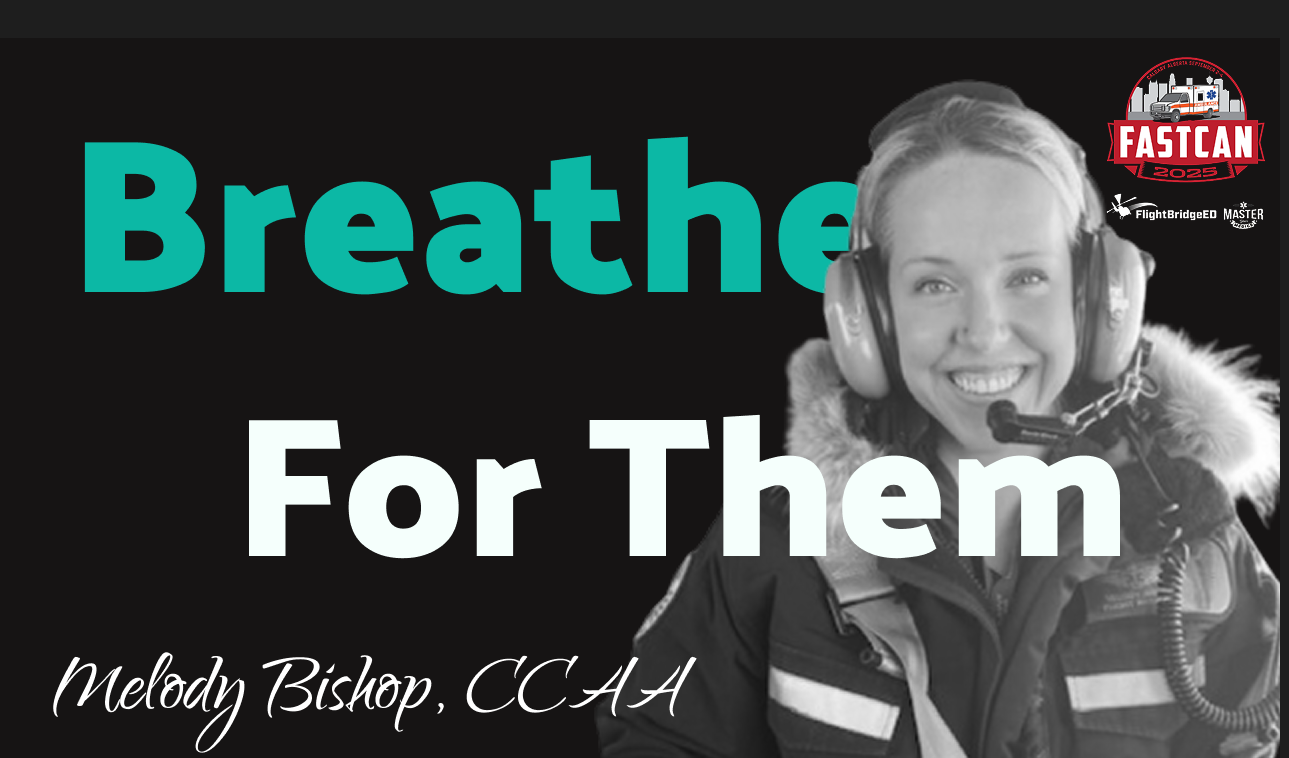
For additional resources on mechanical ventilation principles, including Melody Bishop’s free textbook “Basic Principles of Mechanical Ventilation,” visit her educational materials online. https://openlibrary-repo.ecampusontario.ca/jspui/bitstream/123456789/1076/1/MechanicalVentilation-PrintPDF.pdf