

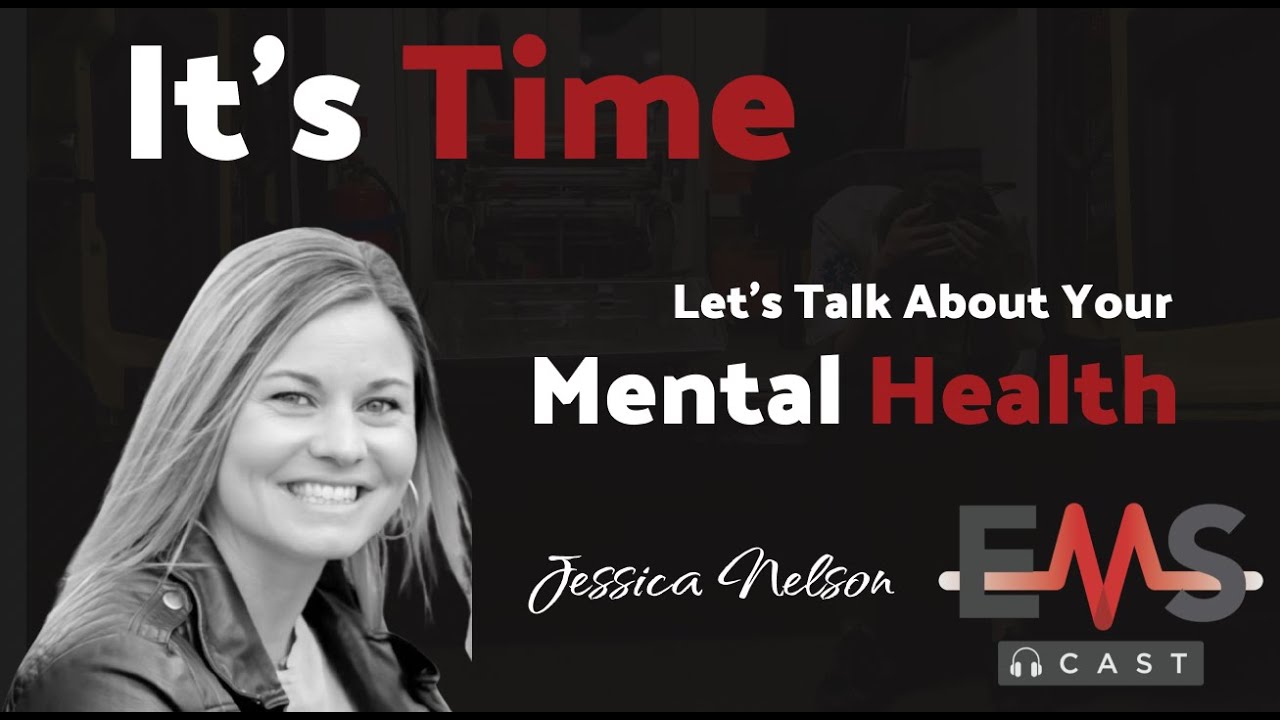
First responders face unique challenges every day. As they navigate through traumatic events and high-pressure environments, their mental health often takes a hit. Yet, there’s a long-standing stigma around seeking mental health support within these communities. In this blog post, we explore the importance of mental health for first responders, particularly in the Emergency Medical Services (EMS), the resources available, and how we can foster a more supportive culture.
The Silent Struggle
First responders, including EMS professionals, firefighters, and law enforcement officers, commonly face stress injuries due to their work’s intense nature. A significant percentage—roughly 30%—develop behavioral health conditions like PTSD, compared to only 20% in the general population. Yet, the stigma around mental health often prevents them from seeking the help they need.
The Need for Specialized Care
Not all therapists are equipped to handle the unique experiences of first responders. There is a growing recognition that a trauma-informed approach, with techniques like Eye Movement Desensitization and Reprocessing (EMDR) and brain spotting, can be effective. These methods recognize and address the unique triggers and stressors faced by first responders, helping them process their trauma in a structured environment.
Normalizing Mental Health Conversations
It’s crucial to normalize conversations about mental health within the EMS community. Regular check-ins between colleagues can be a simple yet effective way to gauge mental well-being. Instead of forcing post-incident mental health interventions, fostering an environment where open discussion is encouraged can lead to genuine support and understanding.
Path4EMS: Leading the Way in Colorado
In Colorado, the PATH4EMS program offers a pioneering model for free, confidential mental health care to EMS providers. Backed by legislation, this initiative allows providers to access mental health services without fear of professional repercussions. It also provides the same resources to the significant others of first responders, as we know we don’t always leave the trauma of the job on the job. It serves as a model of how other states can support their first responders.
Overcoming Barriers in Rural Communities
Rural communities face additional challenges due to fewer local resources. Telehealth offers a viable solution, enabling remote consultations with specialized providers. Programs like PATH4EMS are working to ensure that even those in isolated areas can access necessary mental health care.
Moving Forward: Education and Advocacy
Advocating for mental health in EMS involves educating first responders about available resources and encouraging proactive measures. Programs are beginning to include mental health education in continuing professional development, acknowledging the importance of mental health in maintaining overall wellness.
Conclusion: Building a Culture of Support
To truly support first responders, we need to foster a culture where mental health is prioritized alongside physical health. Agencies must provide tailored, evidence-based resources, and encourage proactive mental health care. Recognizing and addressing the mental health needs of EMS professionals is not just about reducing burnout—it’s about enabling them to continue doing their vital work effectively and healthily.
Let’s strive to build a community where our first responders feel supported and empowered to seek the help they need, breaking down barriers and eliminating stigma in the process.